Azolla: A Climate Smart Livestock and Poultry Feed
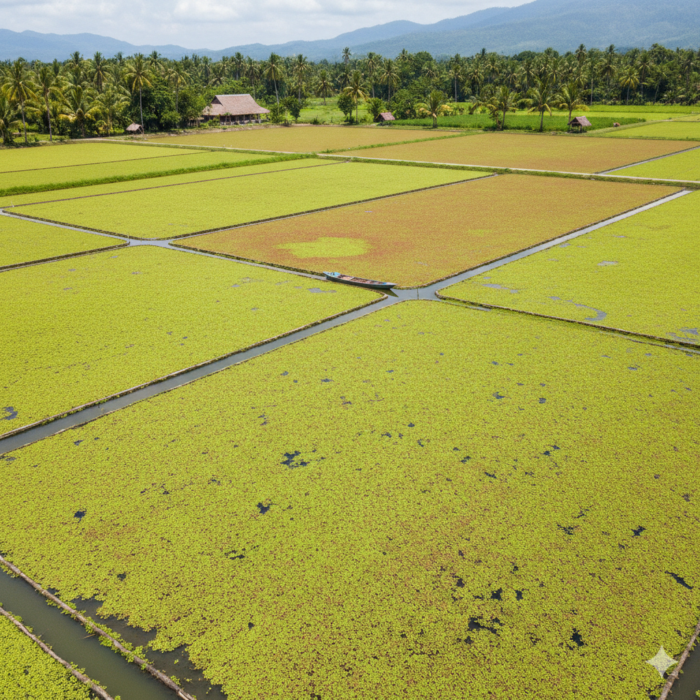
As feed costs continue to rise across Kenya, farmers are actively searching for affordable and climate-resilient alternatives. According to Seeds of Gold by Nation Africa, many smallholders now cultivate azolla, a fast-growing aquatic fern, to reduce dependence on commercial livestock and poultry feeds.
Azolla contains high levels of protein as well as essential vitamins and minerals. Therefore, it offers a nutrient-dense supplement that supports dairy cattle and poultry performance. Unlike commercial feeds, which fluctuate in price due to global commodity pressures and transport costs, farmers can grow azolla locally with limited capital.
To establish production, farmers prepare shallow ponds or lined pits, maintain clean water and provide partial shade. Once the fern stabilises, it multiplies rapidly. As a result, farmers can harvest it daily and integrate it into regular rations.
Farmers who have adopted azolla report measurable reductions in spending on dairy meal and poultry feed. In addition, many observe improvements in milk output, weight gain and general animal health when they mix azolla correctly with conventional feed.
Extension officers recommend regular harvesting to prevent overgrowth and contamination. Moreover, they advise farmers to maintain clean water systems and balanced feeding ratios. Although azolla offers strong nutritional value, farmers achieve the best results when they use it as a supplement rather than a complete feed replacement.
Beyond livestock nutrition, azolla contributes to soil fertility. When farmers incorporate it into the soil, it enhances nutrient availability and strengthens sustainable crop production systems. Consequently, mixed farming enterprises benefit from improved nutrient cycling and reduced reliance on synthetic inputs.
As climate change intensifies pasture shortages and feed insecurity, azolla provides a scalable and climate-smart livestock feed solution in Kenya. For that reason, agricultural stakeholders continue to encourage wider adoption as part of integrated and resilient farming systems.
Source: Nation Africa – Seeds of Gold
Government Launches Agripreneur Extension Programme in West Pokot
The State Department for Agriculture has introduced a new Agripreneur Extension Programme in West Pokot County. The initiative aims to modernise advisory services while creating structured economic opportunities for youth.
Traditionally, public extension systems have struggled with limited resources and inadequate reach. However, the new programme replaces purely state-driven delivery models with a hybrid structure that combines entrepreneurship, technology and performance-based incentives.
Under this framework, trained agripreneurs will operate within rural communities and provide practical farm-level support. They will advise farmers on improved production methods, pest and disease management, input selection and market access strategies. At the same time, they will build commercially sustainable service models.
Importantly, the programme aligns with national goals to integrate digital tools into agricultural service delivery. Agripreneurs will leverage technology to share market information, track farm performance and connect producers with buyers more efficiently.
The model positions agriculture as an attractive and viable business path for young professionals. Instead of viewing farming as subsistence work, the programme reframes it as a market-driven enterprise supported by data and innovation.
West Pokot serves as a strategic pilot region because of its strong crop and livestock potential. If the model proves effective, policymakers could replicate it in other counties. Kenya could significantly expand extension coverage while improving service quality and accountability.
By shifting from a purely bureaucratic system to a business-oriented advisory network, the government aims to accelerate productivity growth and strengthen value chain integration across the agricultural sector.
Source: Kilimo News
Kenya Eyes 10 Billion Litres in Annual Milk Output
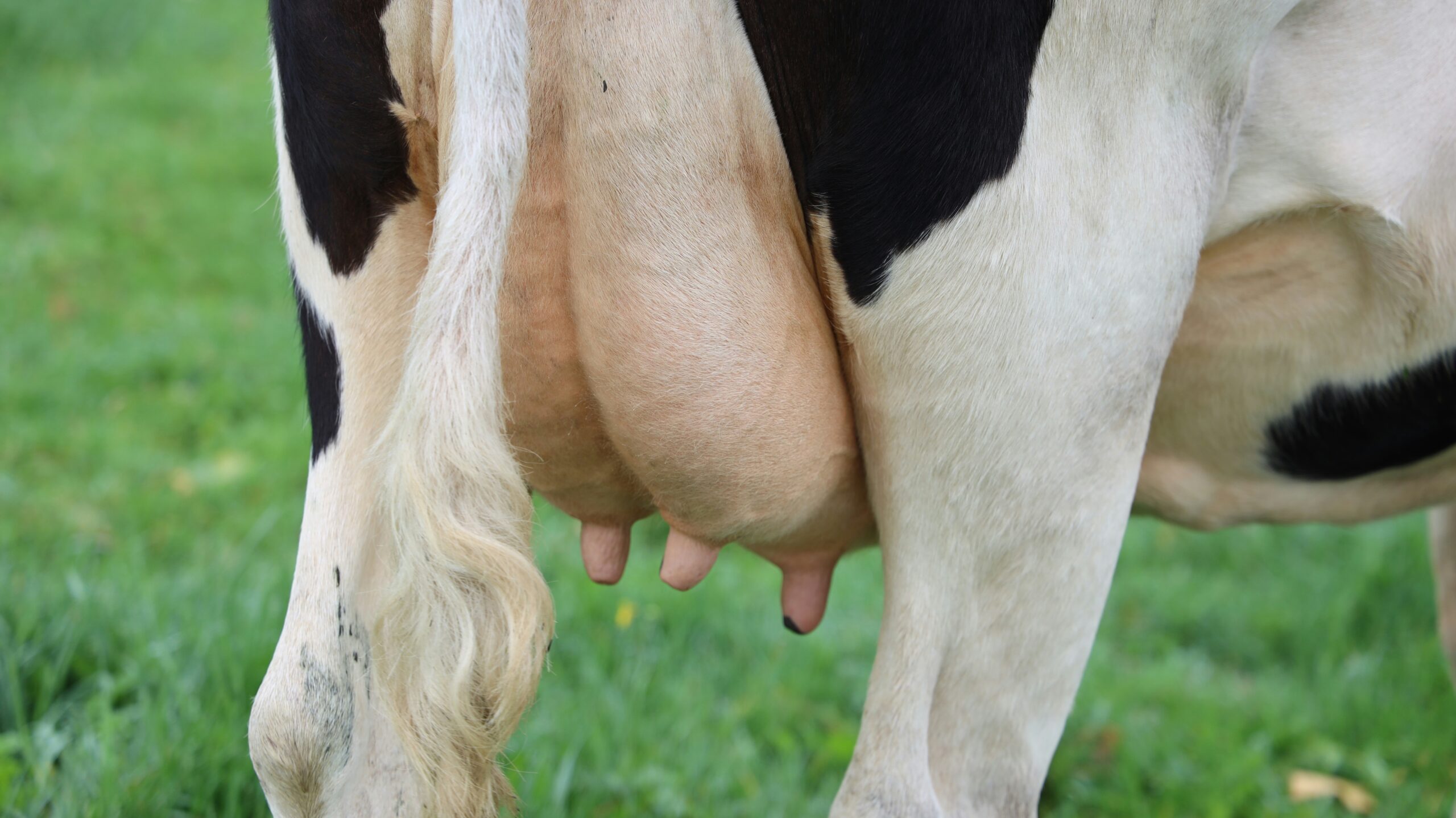
Kenya has set an ambitious target to increase annual milk production from 5.2 billion litres to 10 billion litres within two to three years. Speaking at the commissioning of a new feed manufacturing plant in Athi River, Agriculture Cabinet Secretary Mutahi Kagwe outlined a strategy that prioritises higher productivity per cow rather than rapid herd expansion, as reported by The Star.
Instead of increasing livestock numbers, the government will focus on better nutrition, improved animal health, stronger genetics and consistent access to high-quality feed. This approach recognises land constraints and environmental pressures that limit herd expansion. Therefore, boosting yields per cow offers a more sustainable growth pathway.
A major milestone in this strategy is the KSh 3 billion animal feed factory established by De Heus in Athi River. The government welcomed the investment because reliable and scientifically formulated feed plays a central role in raising dairy productivity.
In addition, authorities plan to tighten oversight of feed standards and introduce a feed quality index. Substandard feed has undermined farmer incomes for years. Consequently, stronger regulation should protect producers while improving consistency across the value chain.
Beyond increasing raw milk volumes, the government intends to strengthen value addition and export capacity. Demand for dairy products such as milk powder continues to grow in markets including Algeria. Therefore, Kenya must elevate animal health protocols and hygiene standards to meet international requirements.
At the same time, policymakers are advancing complementary reforms in land commercialisation and irrigation expansion. These measures will stabilise feed supply and enhance resilience against climate shocks. As a result, the dairy sector can transition from volume-driven growth to value-driven competitiveness.
Source: The Star
Strategic Outlook for Kenya’s Agribusiness Sector
This Kenya agribusiness weekly roundup highlights three interconnected trends shaping the sector. First, farmers are adopting climate-smart livestock feed solutions such as azolla to manage costs and build resilience. Second, the government is restructuring extension systems through the Agripreneur Extension Programme to improve service delivery and youth participation. Third, policymakers are pursuing an aggressive dairy productivity agenda anchored in feed quality, regulation and export readiness.
Taken together, these developments signal a coordinated shift toward efficiency, innovation and market integration. While challenges remain, Kenya’s agricultural ecosystem is moving toward a more structured, technology-enabled and commercially driven future. Farmers, agripreneurs and investors who align with these reforms will likely benefit from the next phase of agribusiness growth.