COMESA Launches $25M Renewable Energy Facility
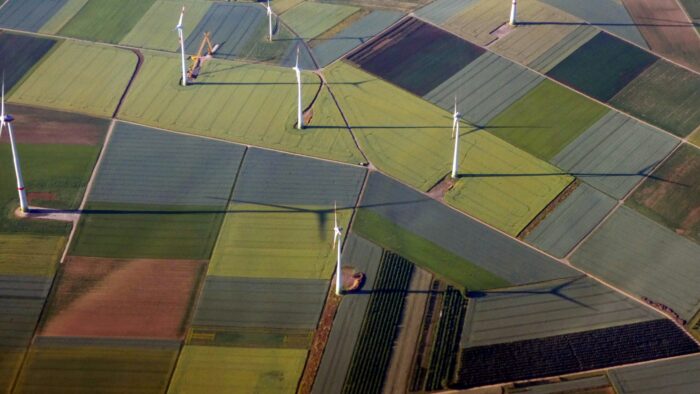
The Common Market for Eastern and Southern Africa (COMESA) has launched a $25 million financing programme to accelerate renewable energy adoption across member states. The Africa Sustainable Energy Transition Facility will support private-sector-led projects, especially those by small and medium-sized enterprises investing in solar, wind, and bioenergy solutions. The initiative aims to expand access to reliable and affordable clean energy while reducing dependence on fossil fuels.
Officials say the programme comes at a critical time as countries across the region face rising energy costs and climate pressures that threaten agricultural productivity and economic growth. Beyond financing, the facility will provide technical support and capacity building to help scale viable green energy projects. Stakeholders believe stronger access to renewable power could directly benefit agriculture by supporting irrigation, processing, and value addition across farming systems.
Source: Kilimo News
Extreme Heat Raises New Threat to Food Production
A new climate report has warned that extreme heat is becoming a growing threat to Kenya’s food production systems. Rising temperatures are creating longer periods of heat stress, making field work more difficult while increasing pressure on crops and livestock. Experts say the impact is especially severe in arid and semi-arid regions, where fragile farming systems already face climate-related strain.
The report notes that more “too hot to work” days are reducing labour productivity and forcing farmers to change planting schedules. Many are turning to irrigation and drought-tolerant crops, but access to these solutions remains uneven. Agricultural stakeholders are now calling for faster investment in climate-smart farming, stronger early warning systems, and coordinated action to help farmers build resilience before declining yields deepen food insecurity.
Source: Nation Africa
KTDA Warns Rising Fuel Costs Could Hurt Tea Farmers
The Kenya Tea Development Agency has warned that rising fuel prices and global trade disruptions could significantly reduce earnings for tea farmers. Export delays linked to Middle East tensions have already disrupted shipping routes, leaving large volumes of Kenyan tea stranded in warehouses and slowing cash flow across the value chain.
KTDA says recent fuel price increases have raised transport, processing, and farm input costs, placing added pressure on the sector. Higher freight charges and shipping surcharges are also squeezing exporters, while fertiliser prices may rise further due to global oil market volatility. Industry leaders are urging government intervention through tax reviews and support measures, warning that without relief, farmer bonuses and sector competitiveness could face serious pressure.
Source: People Daily